
Questions Catholics Ask

| ➕ | ➕

More questions...and responses

RSS feed button

February 2012 Posts

Ask a question now!

Should people in discernment date?

Posted by:   🕔 Friday 24, February 2012 Categories:

Dating while discerning depends a lot on where you are in your discernment. If you are looking at your life and trying to figure out what path would best help you become fully who you are, then I encourage you to explore the possibilities! Date, visit religious communities, do a year of service, try out a new job, and go where you feel alive.

Do these things responsibly of course. Be honest with the person you are dating and be honest with yourself. As you continue to explore, you will find that some of your choices feel more in sync with how you want to be in the world and how you feel God is calling you. That’s the time when you might begin to focus yourself and your search.

If you are at a point in your life where you have explored many options and are ready to commit yourself more fully to one pathway and give yourself to pursuing God in that manner (whether it is a relationship or ministry or way of life), then you will have to make serious choices in regard to the possibilities you have been exploring.

Becoming a member of a religious community or a hermit or a priest doesn’t magically happen on the day you enter. It occurs gradually because you’ve already begun to make choices in your life that resonate with consecrated life. You aren’t dating because “you are not supposed to do that in discernment” but because it’s not where you feel most alive to your calling from God. That doesn’t mean that a relationship was no good or wrong, only that you want to pursue wholeheartedly another way of being for God.

My prayers are with each of you who are called to find their way in the midst of relationships, commitments, and longings. I highly recommend that you have a good spiritual director who can help you navigate these waters and remain true to yourself and God.

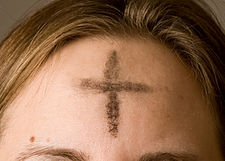
Why do Catholics wear ashes on Ash Wednesday?

Posted by: Alice L. Camille   🕔 Tuesday 21, February 2012 Categories: Liturgy
Ashes
Second in a series about Lent. The first time you hear it, it's disconcerting: "Ma'am (or Sir), there's some dirt on your face." No one wants to be thought careless in matters of hygiene! But after a few years, wearing ashes in public on Ash Wednesday seems almost natural. It invites opportunities to witness to what you believe as you explain it's no accidental smudge on your forehead but a deliberate decision: to be marked with the knowledge of what your mortality really means.

Ashes are an ancient sign of mortification. Often associated with the wearing of sackcloth-a harsh woven-hair fabric used for grain bags-any occasion that warranted the expression of grief, penitence, or supplication might involve scattering ashes, rolling in them, or smearing them on one's person. Such reverse adornment defined the humble spirit of the wearer, and both men and women might employ this sign in times of self-denial. In addition, the shaving of the head or beard might accompany such gestures, and fasting as well. Anyone reluctant to be signed with ashes annually might consider the alternatives!

The prophets recommended such signs when the evil of the times required it. Daniel himself adopted prayer, fasting, sackcloth, and ashes during the period of Israel's exile. In the gospels Jesus reprimands unrepentant Jewish cities by comparing them to pagan cities that would have long ago donned sackcloth and ashes in shame for similar crimes. The message is clear: A definite outward sign of penitence is a bold first step in the actual conversion of the human heart.

So Catholics begin the annual season of their repentance by adopting the mark of ashes. I say "begin": 40 days of fasting, prayer, and charity is expected to proceed from there. Many have noted that Jesus accuses the Pharisees of hypocrisy when they stand on street corners bearing the signs of fasting for all to see. Instead Jesus advises his disciples to wash their faces and anoint their heads while fasting. That is to avoid the temptation to be seen as doing good-and to be rewarded on the spot by the good opinion of others.

In a social climate impressed by the appearance of piety, it would be best to hide such signs. Modern culture, however, is more dazzled by bling, than by the rosary dangling from your rearview mirror. The effect of ashes serves more to remind oneself "that we are dust, and to dust we shall return." With the urgency of mortality clinging to us in every hour, it's wisdom to heed the call each Ash Wednesday not to waste any time but to "repent, and receive the Good News."

Scripture
Isaiah 58:5-6; Jeremiah 6:26; Ezekiel 27:30-31; Daniel 9:3; Matthew 11:21; 6:5-7, 16-18; 23:5; Luke 10:13; also Genesis 3:19

Online
St. Leo the Great on Lent, 5th century homily

Books
Forty Days Plus Three: Daily Reflections for Lent and Holy Week by John J. McIlhon (Liturgical Press, 1989)
Days of the Lord: The Liturgical Year, Vol. 2: Lent (Liturgical Press, 1993)

Where did Lent come from?

Posted by: Alice L. Camille   🕔 Thursday 02, February 2012 Categories: Prayer and Spirituality,Doctrines & Beliefs
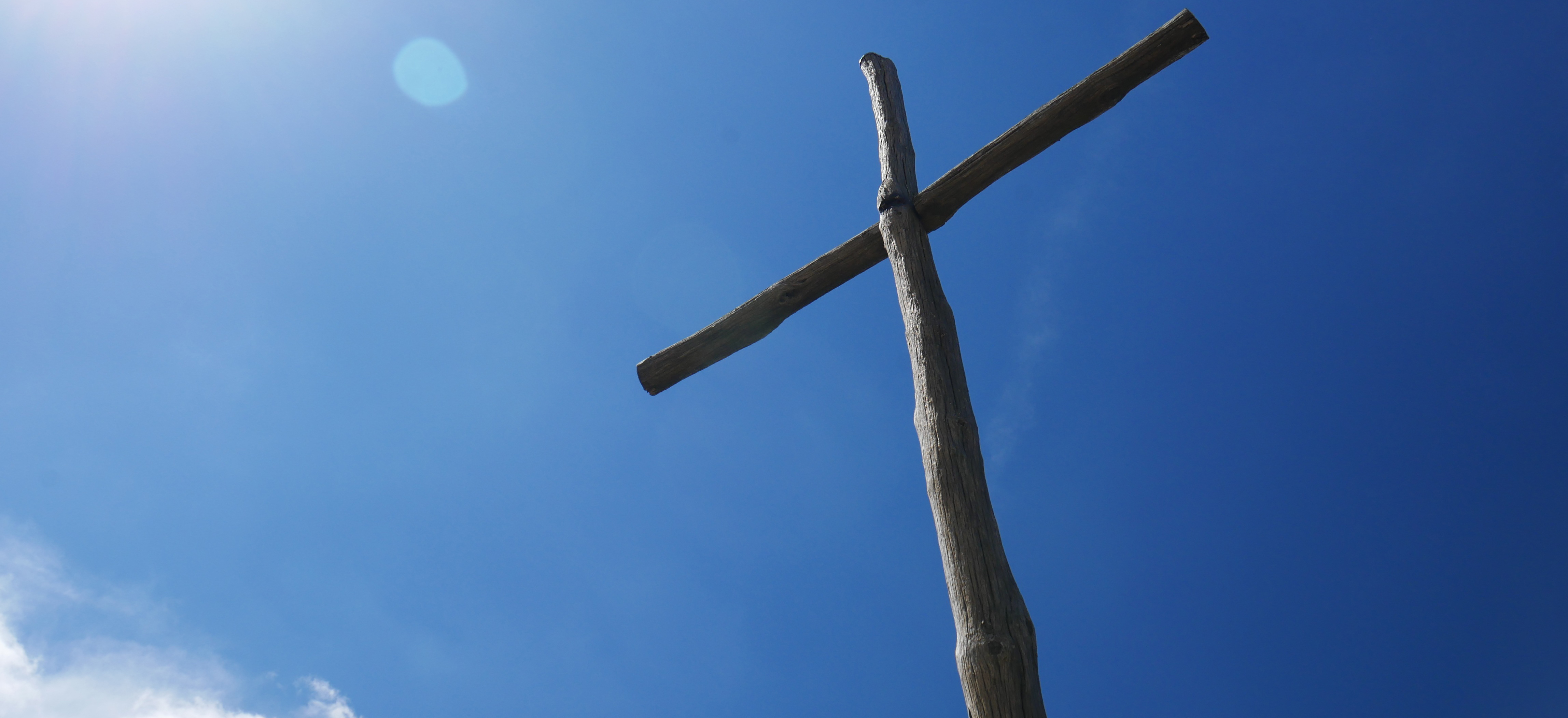
Christian cross
The entire church year spins on the axis of Easter faith. (photo: phhere.com)


The celebration of Lent is a long-established tradition in the church—and I use the word celebration deliberately. The prayers of the liturgy refer to Lent as “this joyful season.” Though the character of the season is penitential, the intent of Lent is to prepare our dispositions for the greatest feast of the church year, the always-jubilant Easter. With all that to look forward to, Lent could hardly be a mournful time.

So where did Lent come from? Let’s start by saying that Christianity embraces one key belief: the resurrection of Jesus Christ from the dead. This central article of faith shapes everything we do as Christians, how we live and die, and certainly how we express our faith in worship. Easter is therefore the primary day of rejoicing. Every Sunday is considered a “little Easter,” a commemoration of how Jesus triumphed over sin and death through the power of God for the sake of humanity’s emancipation from those ancient twin evils that bound it. The entire church year spins on the axis of Easter faith.

In the first three centuries of the church Christians prepared for this mother-of-all-feasts by fasting—between two days to a week depending on local custom. In Rome the “paschal fast” may have lasted as long as three weeks. This extended fast was linked to the preparation of new members for baptism at the Easter Vigil.

By the 4th century a full 40-day period of preparation was observed, imitating the 40-day fast of Jesus in the desert before undertaking his great mission. Fasting and prayer were natural components of the season because that’s how Jesus prepared himself. Almsgiving was added to the practices of Lent as it, too, was a traditional way of making sacrifice to God in the wake of sinfulness. Following a calendar of feasts and seasons dependent on one’s faith is an idea rooted in Judaism. The Law of Moses established fixed times annually to recall the saving actions of God, centered on the commemoration of Passover. A liturgical calendar allowed Israel to practice gratitude and thanks, repentance and conversion, each in accord with the natural seasons, rains, and harvests. A cycle of liturgy also provided a way to instruct new generations about the faith in ritual and storytelling.

Easter, the Christian Passover, was fixed by the Council of Nicaea in 325 to coincide with the first full moon after the vernal equinox. That makes Lent the annual “springtime” of faith, quite literally, as the word Lent means "spring."

Scripture
Mark 1:12-13; Matthew 4:1-2; Luke 4:1-3; Leviticus 23

Online
“Grave matters: Take away the Resurrection and the center of Christianity collapses,” article by N. T. Wright 
• For fun: Wiki article on computus,” the complicated story of calculating the date of Easter

Books
Embracing the Sacred Seasons of Lent and Easter: Daily Reflections and Prayers by Janis Yaekel (Twenty-Third Publications, 2005)
Living Liturgy: Spirituality, Celebration, and Catechesis for Sundays and Solemnities (Liturgical Press)

SOCIALIZE

Follow Us

CALENDAR

Click on a date below to see the vocation events happening that day!